
Project Evaluation & Studies
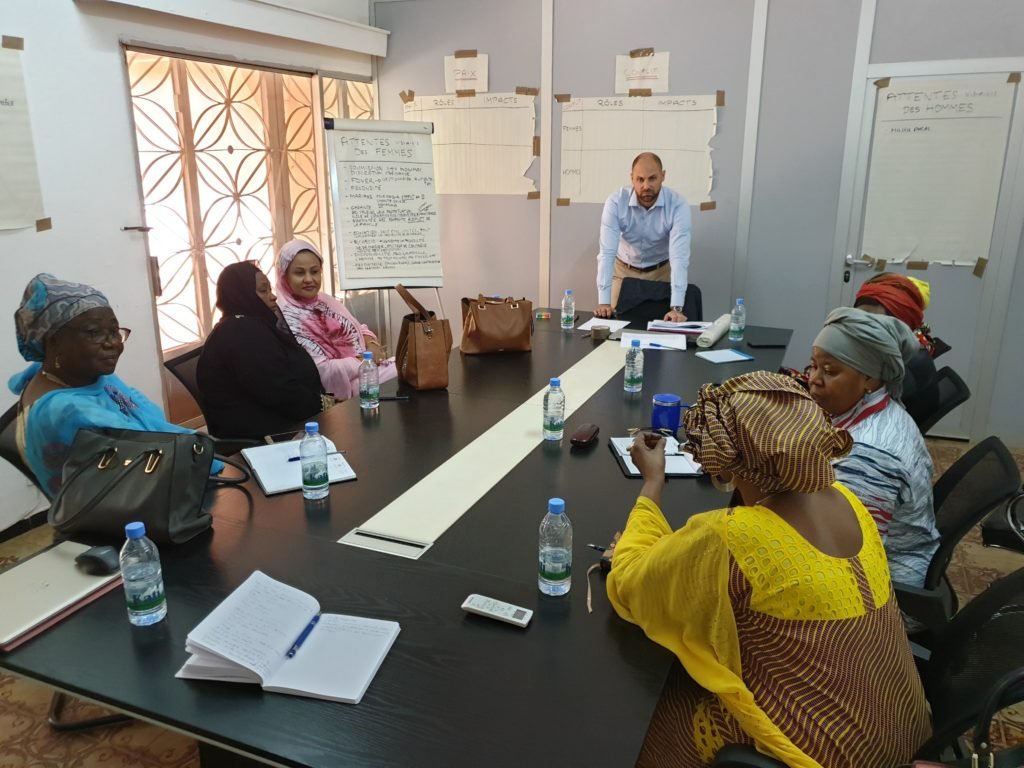
- Independent and rigorous project evaluations
- Balanced assessment of results, implementation processes, and governance arrangements
- Production of clear, prioritized, and actionable recommendations
- Analytical approaches grounded in triangulation and structured stakeholder dialogue
- Systematic integration of cross-cutting issues (gender, governance, climate change
- Strong emphasis on independence, analytical quality, and practical usability
DROPSTONE conducts independent and rigorous project evaluations and analytical studies, supporting evidence-based decision-making, strategic steering, and institutional learning. Evaluations apply the OECD-DAC evaluation criteria—relevance, coherence, effectiveness, efficiency, impact, and sustainability—to provide a balanced assessment of results, implementation processes, and governance arrangements.
The firm produces clear, prioritized, and directly actionable recommendations to inform project adaptation, future phases, and programmatic and policy-level decision-making. Analyses are grounded in systematic triangulation of quantitative and qualitative data, structured stakeholder engagement, and a contextualized understanding of institutional, political, and operational constraints affecting performance and outcomes.
Throughout its work, DROPSTONE ensures the systematic integration of cross-cutting issues, including gender equality, governance, and climate and environmental considerations. Particular attention is paid to independence, analytical rigor, ethical standards, and the usability of findings for donors, governing bodies, and senior decision-makers.
REFERENCES:
DRC: Evaluation of the “Women’s Voice Leadership” project funded by Global Affairs Canada and implemented in six provinces by the Carter Center (TCC, 2024)
DRC: Conflict analysis and detailed mapping of actors in Tanganyika Province (Centre for Humanitarian Dialogue – HD, 2023-24)
Tajikistan: Scoping study for a project on groundwater management in the Sughd region (SDC, 2023)
Mali: Evaluation of Quick Impact Projects implemented by the UN in the regions of Timbuktu, Kidal, Menaka, Mopti, Gao (MINUSMA, 2022-23)
DRC: Final Evaluation of the “Citizen Observation” and “Advancing Democratic Governance and Respect for HR” (The Carter Centre, 2021)
Lebanon: Mid-term evaluations of the institutional support provided by Swiss Humanitarian Aid to the Bekaa Water Establishment (SDC, 2021 and 2018)
Mali: Scoping study for a program to strengthen the protective environment in Mali; institutional building and support to decentralization (SDC, 2021)
DRC: Governance of the Extractive Industry (The Carter Centre, 2020)
Mali: Evaluation of the role of the Independent Observer of the Bamako Peace Process (The Carter Centre, 2019-20)
Burundi: Development of the Environmental and Social Management Framework in anticipation of the reform of the school system (AFD, 2019)
Senegal: Review of the hydrogeological knowledge of the Mauritanian-Senegalese aquifer basin (Geneva Water Hub, 2019)
Mauritania: Socio-political study of the potential for intercommunity conflicts in the border regions of Senegal and Mali (AFD, 2017)
Niger: Evaluation of the mediation programme between pastoral and agricultural communities in the Liptako Gourma (HD Centre, 2017)
CAR: Support for political dialogue and the peace process (HD Centre, 2016)
Senegal: Support for the negotiation and peace process in Casamance (HD Centre, 2016)
South Sudan: Evaluation of a vocational training centre in Juba (DGVS, 2016)
Pakistan: Evaluation of the emergency Water and Sanitation Programme in the wake of catastrophic floods of 2010 (SDC, 2013-14)
Tunisia: Evaluation then refocusing of the rural drinking water supply programme in the governorate of Kasserine (SDC, 2013)