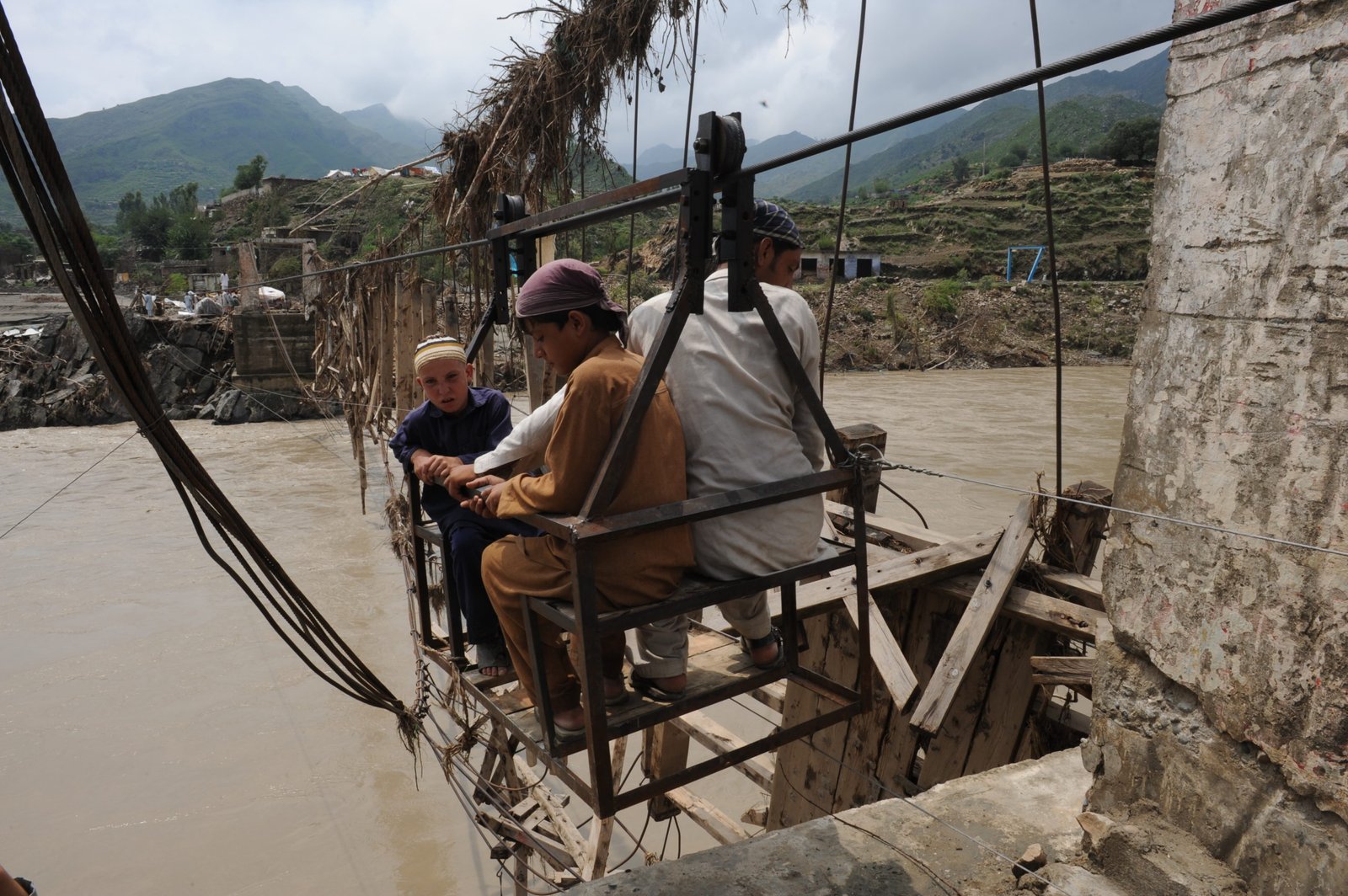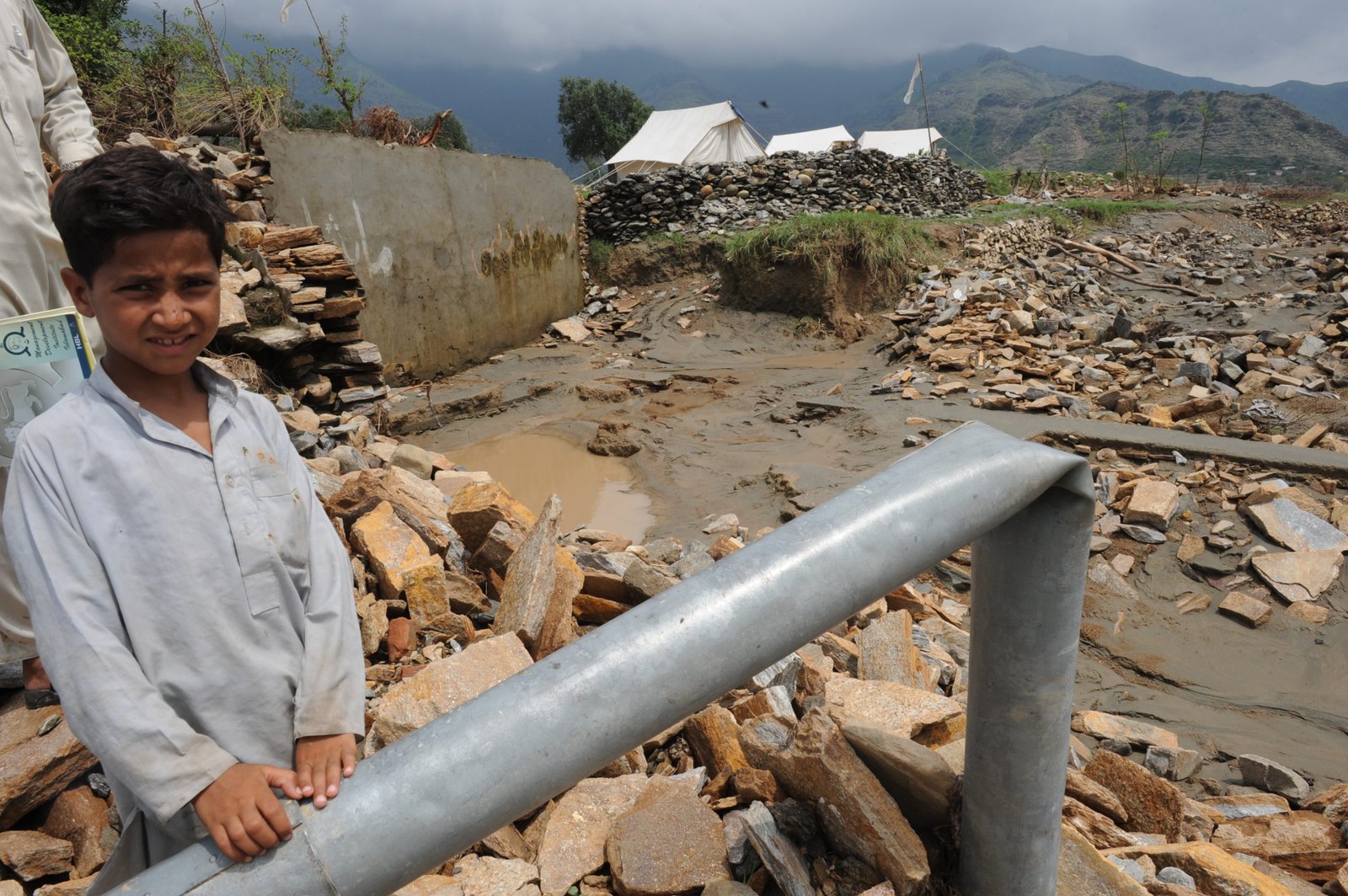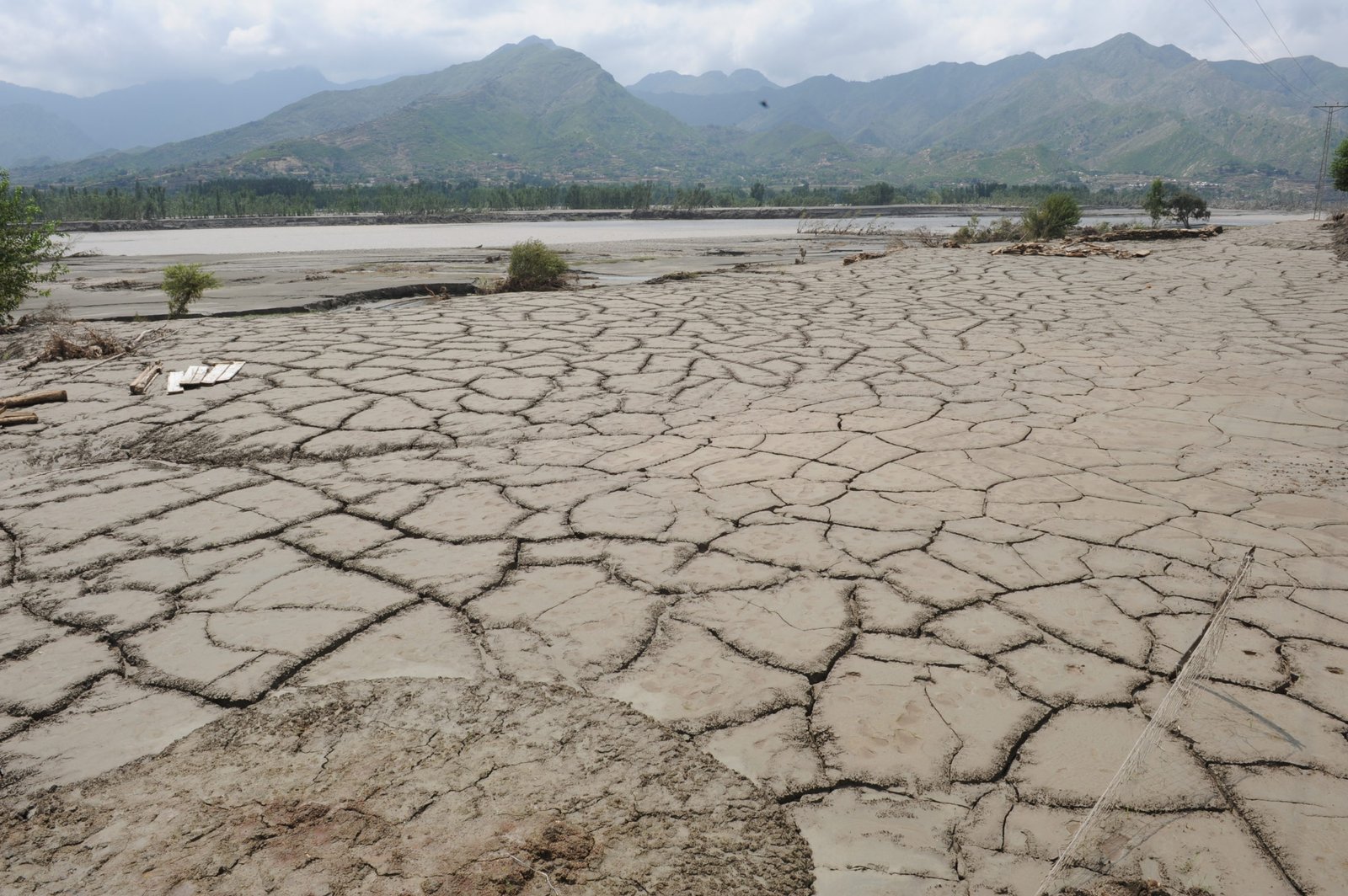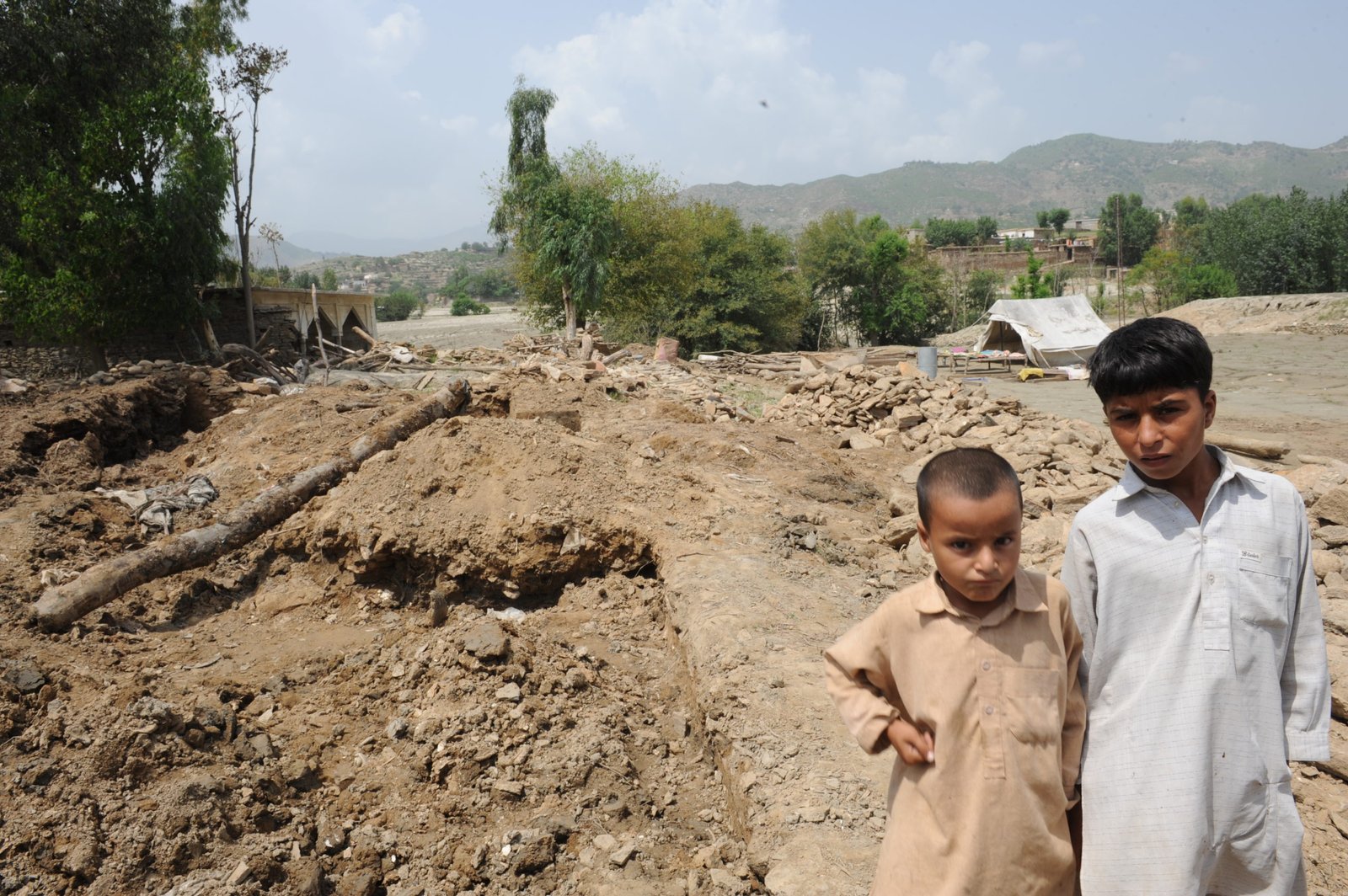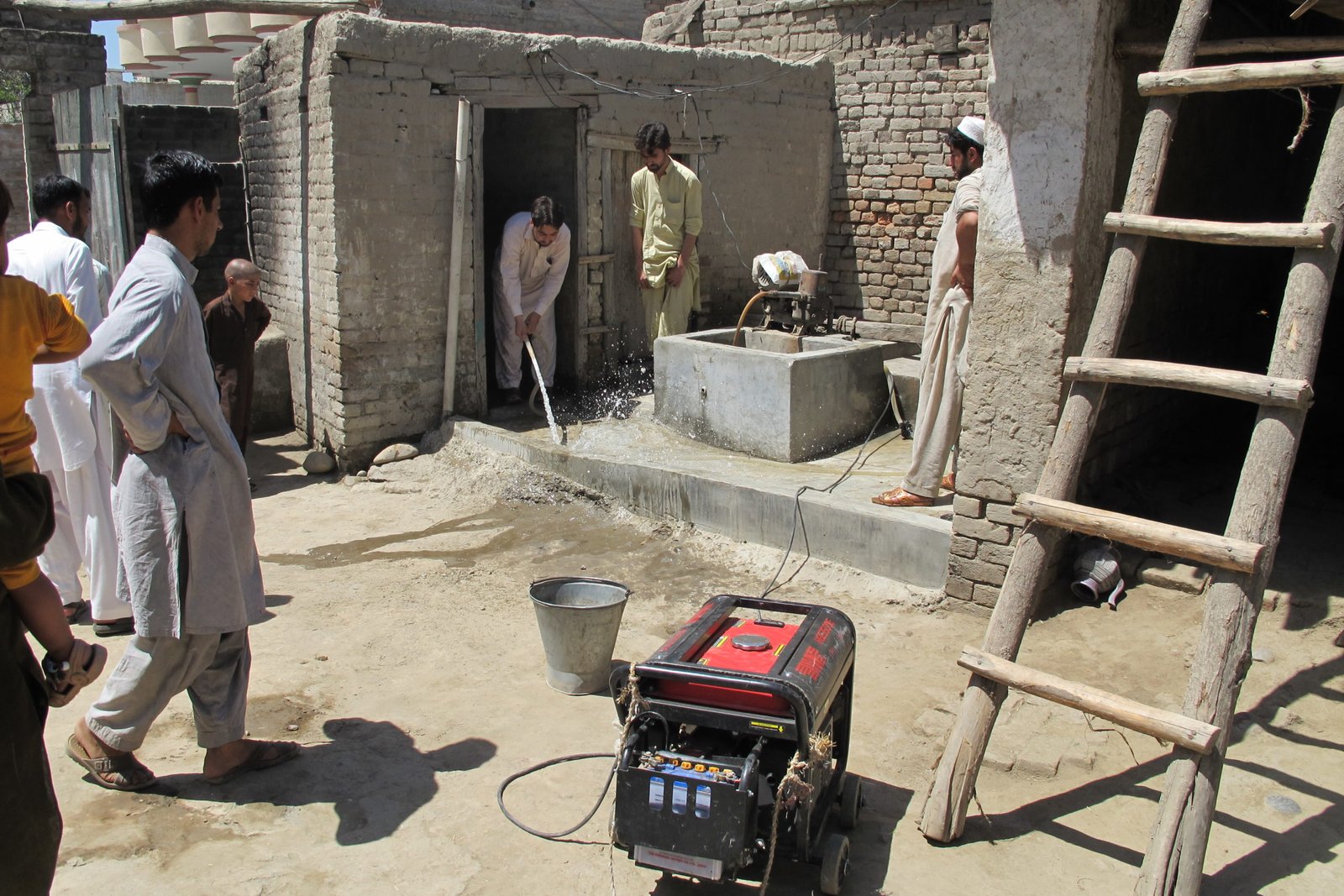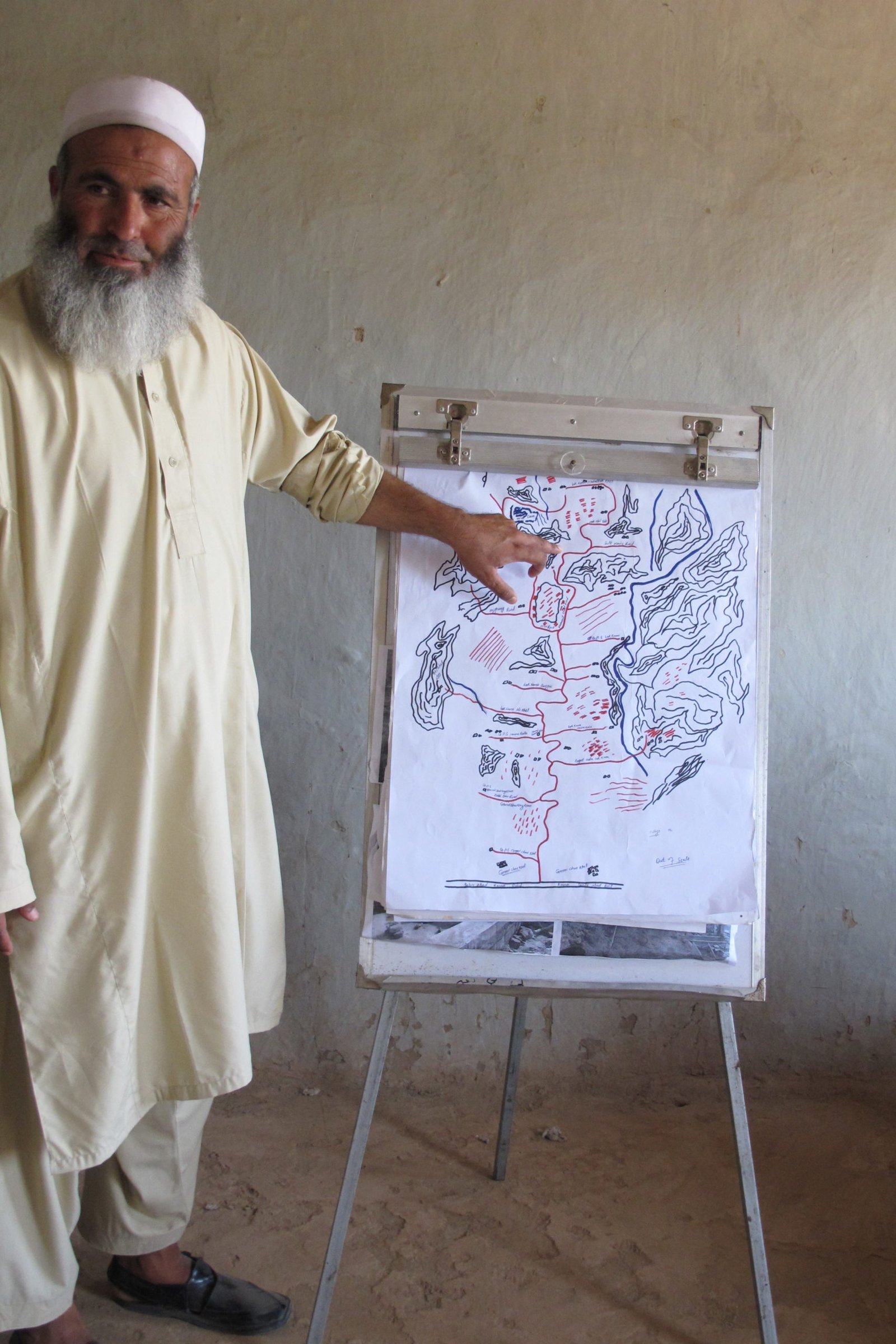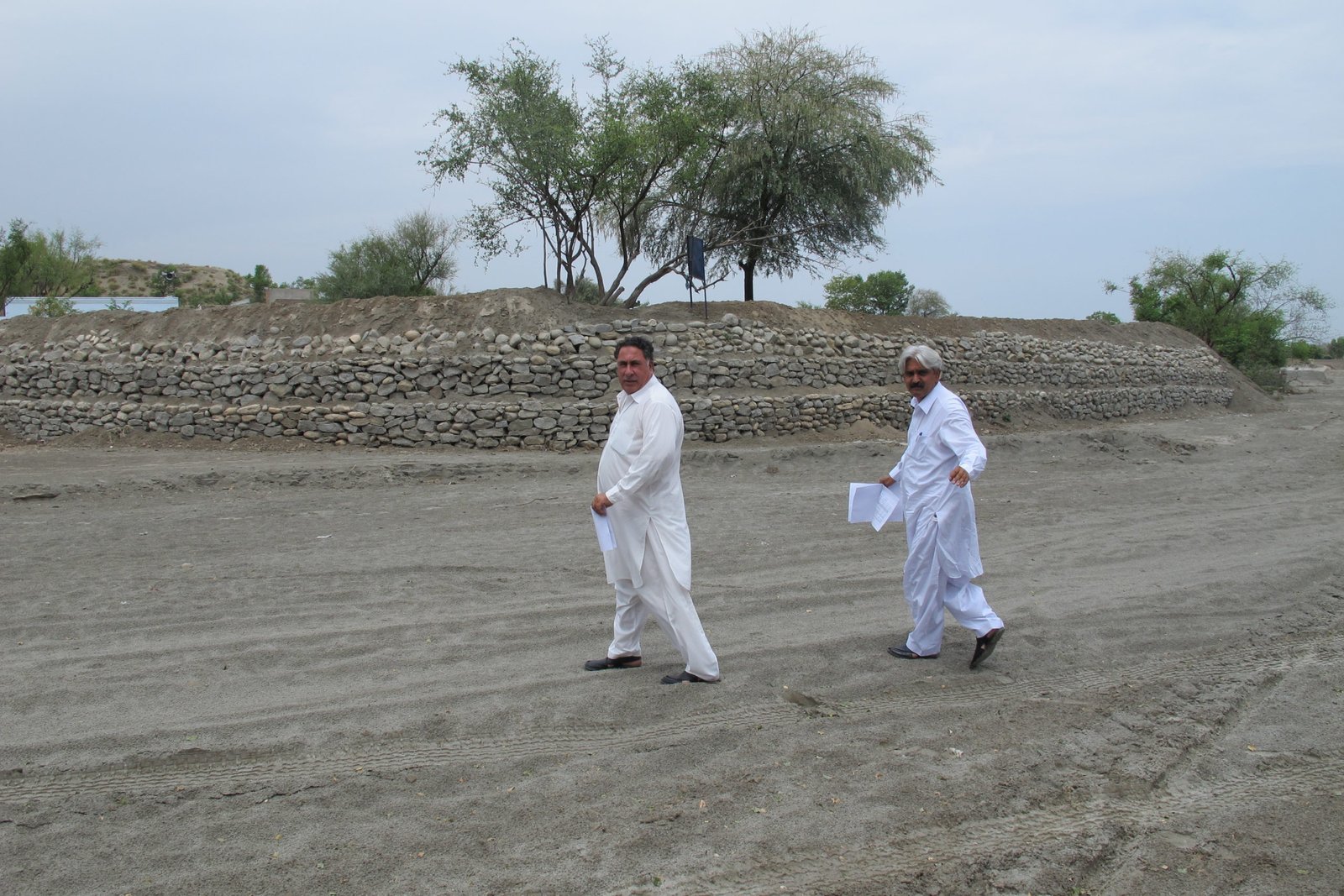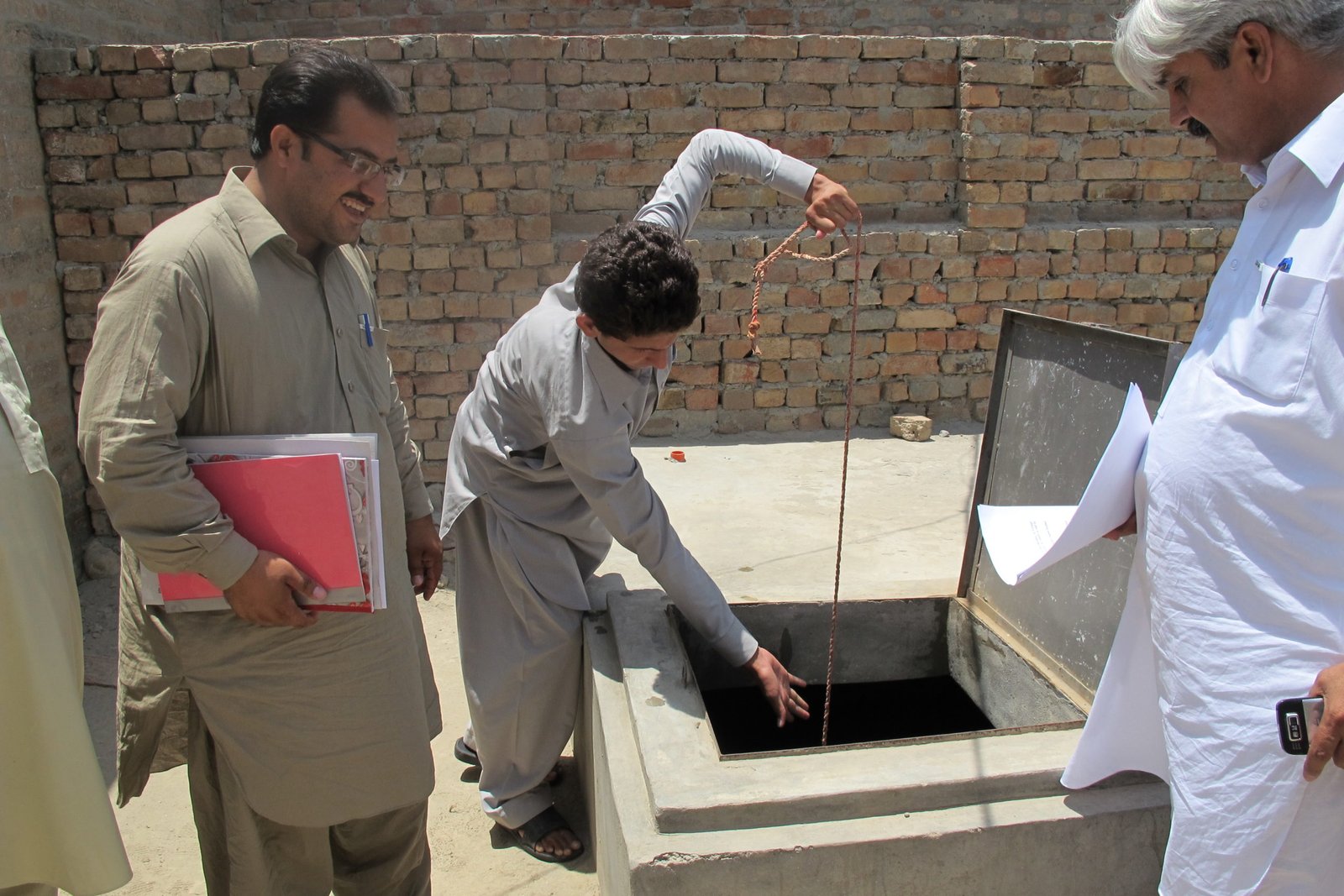
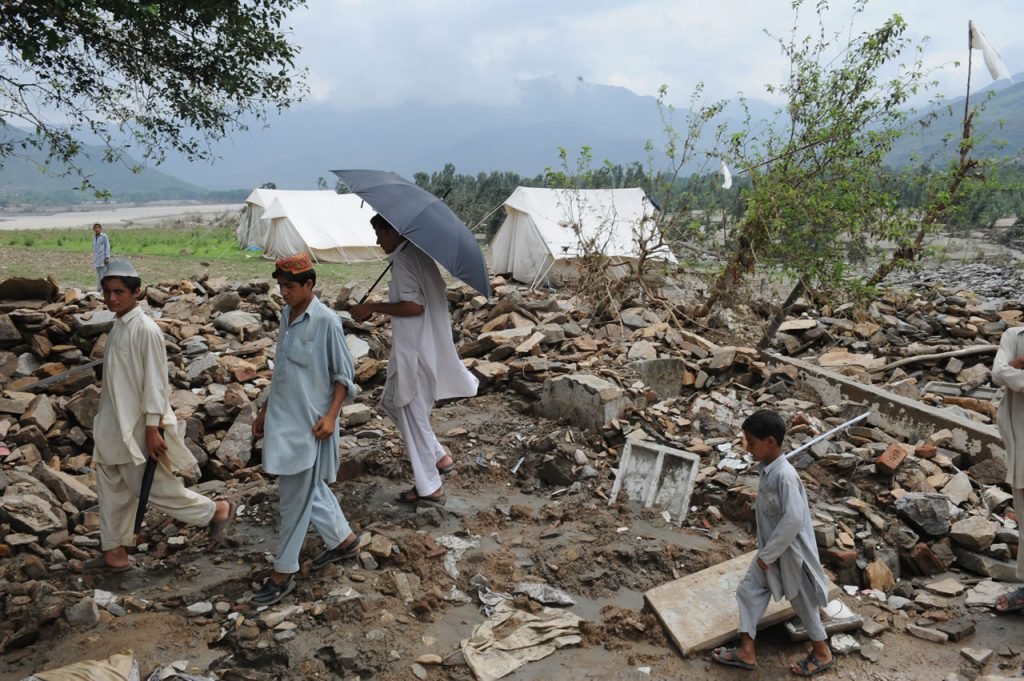
Following the 2010 massive floods in Pakistan, Dropstone conducted an initial evaluation mission to assess vulnerabilities, impacts, and priority intervention areas in the water sector. This mission informed subsequent technical backstopping and strategic advisory support to the WASH programme of Swiss Humanitarian Aid (SHA).
Pakistan faces recurring water-related hazards, including flooding, water scarcity, and widespread water-borne diseases, compounded by poverty, population growth, climate change, conflict, and limited public investment in the water, health, and education sectors. Vulnerability is particularly high in Khyber Pakhtunkhwa and the former FATA, where communities are regularly exposed to floods, droughts, landslides, and public health risks linked to unsafe water.
Within this context, Dropstone provided technical, methodological, and project management advice to support the sound implementation of the programme, including regular coordination with field teams, support to project identification, and monitoring of implementation progress. Particular attention was given to ensuring coherence and synergies across interventions in line with SDC Programme Cycle Management principles.
Dropstone led the follow-up and operationalisation of recommendations from the Review Report June 2013, with a focus on the design and implementation of a water quality research study, and contributed substantially to the development of the post-2014 strategic orientation of the programme.
In addition, Dropstone supported the establishment of a technical network involving research institutes, consultants, and sector experts, including the drafting and critical review of Terms of Reference. Advisory services to the desk included inputs to briefings and debriefings, review of implementation modalities, and support to decision-making processes, with a focus on overall coherence of SHA-supported water sector interventions.